

KEY TAKEAWAYS

Listen on your favourite network



Climate Adaptation has moved from side conversation to headline topic. Extreme heat, water stress, and flood events are driving real portfolio questions, not just policy debates. Case in point: even if mitigation accelerated tomorrow, the physical risk profile through 2040–2050 barely shifts. Investors still need to plan for a changed operating environment.
In this episode of Sustainability Wired, Lorenzo Saa sits down with Wendy Cromwell, Vice Chair and Head of Sustainable Investment at Wellington, to unpack how investors can manage physical risk and fund resilience. They cover the science–finance translation gap, what “good” adaptation investing looks like in public markets, and why location transparency is fast becoming an investment essential.
The result is a practical look at how to integrate climate adaptation into research, security selection, and engagement.
Meet the Experts
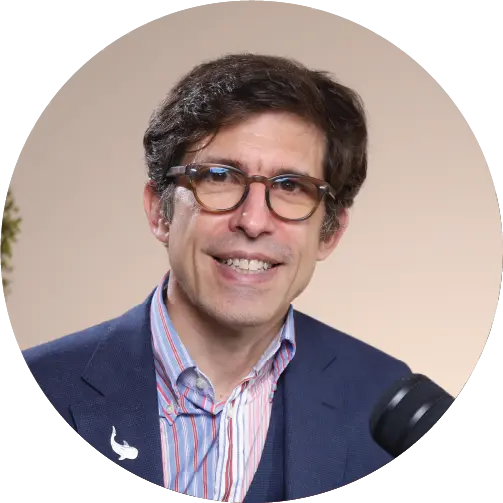
Lorenzo Saa
Chief Sustainability
Officer
Clarity AI
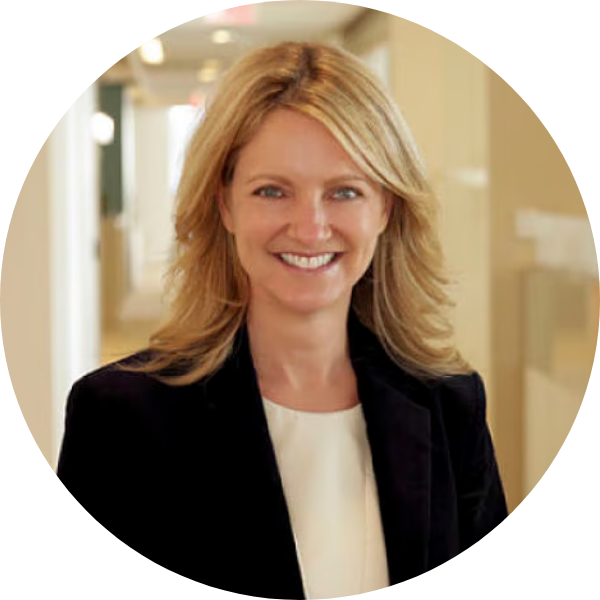
Wendy Cromwell
Head of Sustainable Investment
Wellington Management
Listen now to hear the full conversation.
Key Moments
| 00:00 – 01:47 | Introduction |
| 01:48 – 03:30 | Introduction to Wendy Cromwell |
| 03:31 – 7:26 | Wendy’s path to sustainable investment leadership |
| 07:27 – 12:57 | Should investors look at adaptation across asset classes? |
| 12:58 – 13:33 | Does adaptation take away from mitigation? |
| 13:34 – 20:24 | How Wellington assesses physical climate risk? |
| 20:25 – 24:17 | What adaptation solutions look like |
| 24:18 – 26:40 | Engagement and disclosure: locations and supply chains |
| 26:41 – 29:27 | Role of technology and AI in adaptation |
| 29:28 – 30:40 | COP30 outlook and what’s next |
| 30:41 – 33:39 | The art of sustainability |
| 33:40 – 36:08 | Quick-fire questions |
| 36:09 | Closing remarks |
Notable Quotes and Insights on Climate Adaptation
From building internal climate analytics to reframing how adaptation fits within sustainable investing, Wendy offers a rare inside look at how one of the world’s largest asset managers is operationalizing resilience. These moments capture the episode’s sharpest insights on risk, opportunity, and the future of climate finance.
1. Investors and Scientists Must Speak the Same Language
Wendy recalls how Wellington’s partnership with the Woodwell Climate Research Center began with a simple but telling question—what’s a basis point?—highlighting the communication divide between scientists and investors.
“You have climate scientists – very analytical, very rigorous people. Then you have investors – we think we’re analytical and rigorous too. We speak basis points, they speak RCP scenarios. Those two languages weren’t connecting, and so that’s how we formed this partnership. And one of the first things we learned from them – and you alluded to this in your opening – No matter what we do today on mitigation, we can stop all emissions today or even yesterday or even a week ago.“
2. Adaptation Is No Longer Optional
She makes the case that physical risks are now unavoidable, and mitigation alone can’t contain the impacts already locked into the atmosphere.
“No matter what we do today on mitigation – we can stop all emissions today or even yesterday or even a week ago – the RCP scenario out to 2040/2050 is the same. So, the consequences of physical climate risk are the same no matter what we do on mitigation in the short term. And so we need to figure out a way to survive and thrive in a changed environment. And that’s because of the long half life of greenhouse gases in the environment.“
3. Adaptation and Mitigation Are Not Opposites
Wendy also addressed the long-standing perception that focusing on adaptation means surrendering the transition agenda.
“I think there was reticence that if we allow adaptation into the dialog, that means that we’re giving up on transition and mitigation. I don’t think that’s true. Just based on this learning that no matter what we do, we’re going to experience some level of physical climate risk, I think we have to do both. I don’t think it means we’re giving up. I think it means that we actually have to recognize the science, and we need to do both.”
4. Investors Are Missing Essential Data
For all the progress in climate analytics, Wendy notes that a lack of basic company-level data still prevents investors from fully assessing exposure to physical risks.
“In order to do climate adaptation work, you actually need to know where companies have significant operations. You need to know those locations. Companies are not required to report their locations in any sort of financial filings. Right now, what we’ve done at Wellington is we hire interns—literally every year we’re hiring interns—and those interns are helping us look up company locations. It seems like that’s pretty inefficient. Not everyone’s going to hire interns to do that. It should just be market information so the market can help companies assess this risk and price it.”
5. AI Is Powering the Search for Resilience
Wendy sees a role for AI in expanding how investors identify adaptation opportunities across vast, unstructured information.
“In terms of our idea generation, we do use natural language processing to look at transcripts and investor presentations, quarterly earnings calls. We feed it keywords that we think are associated with these perils and with physical climate risk and with resilience. And that helps us identify potential investments for our investment universe.”
Author Information